Ultimate DIY Tool Checklist for Every Home Project
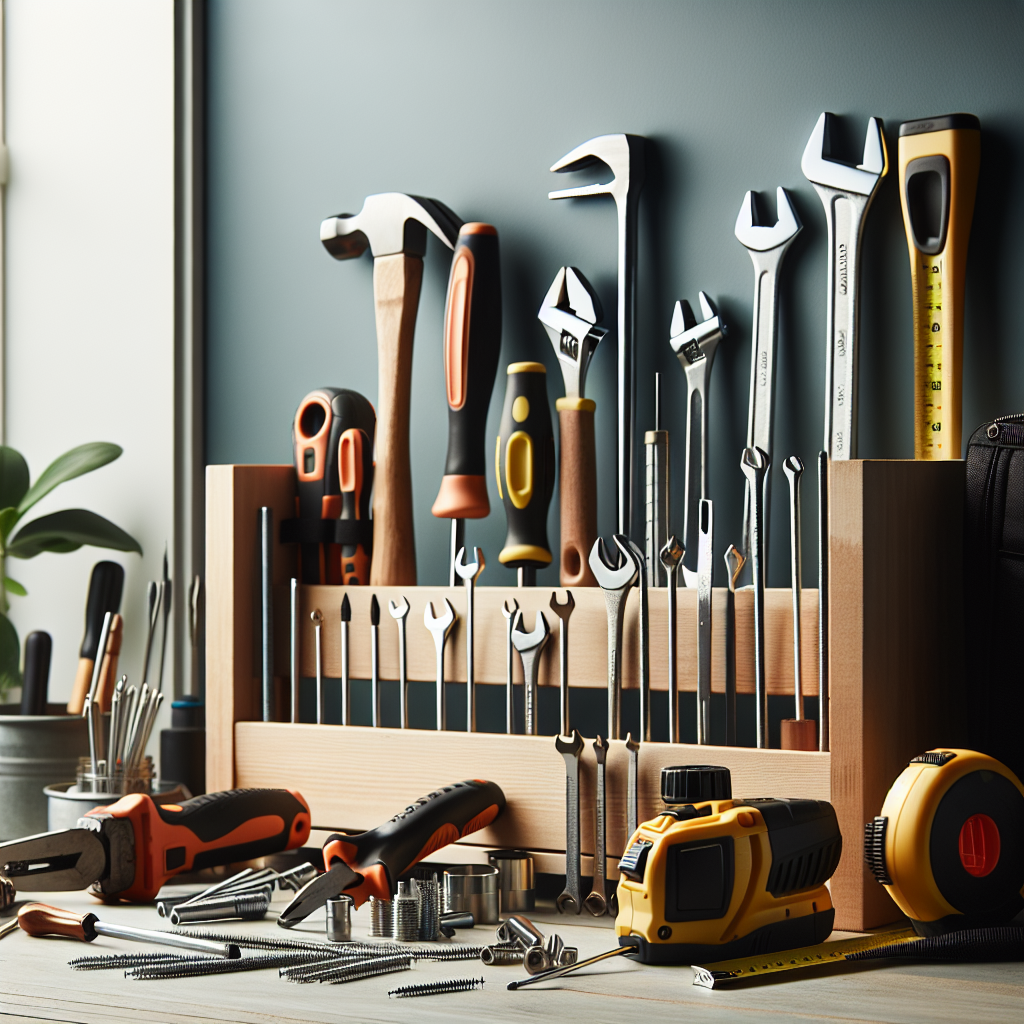
Embarking on a DIY project can be both exciting and daunting, especially if you’re unsure about which tools you’ll need to get the job done. Whether you’re assembling furniture, fixing a leaky faucet, or hanging a picture frame, having the right tools at your disposal can make all the difference. This comprehensive guide will walk you through the ultimate DIY tool checklist for every home project, ensuring you’re always prepared for whatever challenge comes your way.
Basic Hand Tools
Hammer
A good hammer is an essential tool in any DIY kit. Whether you’re driving nails, removing them, or doing minor demolition, a claw hammer with a comfortable grip is indispensable.
Screwdrivers
Screwdrivers come in various types and sizes, with flathead and Phillips being the most common. Investing in a quality set with interchangeable bits can save space and money.
Adjustable Wrench
An adjustable wrench is versatile and can be used on a variety of nuts and bolts. It’s a must-have for plumbing work and assembling flat-pack furniture.
Pliers
Pliers are useful for gripping, twisting, and cutting wire. A set that includes needle-nose pliers, slip-joint pliers, and locking pliers will cover most needs.
Measuring Tape
Accurate measurements are key to any successful project. A sturdy measuring tape, preferably at least 25 feet long, is essential for measuring spaces, materials, and more.
Utility Knife
A sharp utility knife is perfect for cutting materials like drywall, cardboard, and rope. Look for one with a retractable blade for safety.
Power Tools
Drill/Driver
A cordless drill/driver is perhaps the most versatile power tool in a DIYer’s arsenal. It’s used for drilling holes and driving screws and comes in handy for numerous tasks around the house.
Circular Saw
A circular saw is ideal for cutting wood and other materials quickly and accurately. It’s perfect for larger woodworking projects or when you need to make straight cuts.
Jigsaw
For more intricate cuts, a jigsaw is invaluable. Its ability to cut curves and shapes makes it ideal for detailed projects.
Power Sander
Sanding by hand can be tedious and time-consuming. A power sander speeds up the process and provides a much smoother finish. Consider having both a belt sander for large surfaces and a palm sander for finer work.
Safety Equipment
Safety Glasses
Protecting your eyes should be a top priority. Safety glasses shield your eyes from dust, debris, and potential impacts.
Ear Protection
Power tools can be loud, risking hearing damage over time. Earplugs or earmuffs can help protect your hearing.
Dust Mask
A dust mask is essential when working with materials that create dust or fumes. It helps protect your lungs from inhaling harmful particles.
Additional Handy Tools
Level
A level is crucial for ensuring your projects are perfectly horizontal or vertical. A laser level can be a worthwhile investment for more advanced projects.
Stud Finder
When hanging heavy items on the wall, finding the studs is important for securing them properly. A stud finder simplifies this process and prevents unnecessary damage.
Spirit Level
For ensuring things are straight and level, a spirit level is a simple yet effective tool. It’s especially useful for hanging shelves and pictures.
Toolbox
A durable toolbox helps you keep all these essential tools organized and easily accessible. Consider one with multiple compartments for better organization.
Materials and Consumables
Nails, Screws, and Anchors
Having a variety of nails, screws, and wall anchors means you’ll always have the right fastener for the job. Consider purchasing a mixed kit to start with.
Sandpaper
Sandpaper is necessary for finishing wood and smoothing surfaces before painting. A variety of grits will ensure you can tackle any surface.
Adhesives
A selection of adhesives, such as wood glue, super glue, and construction adhesive, can be invaluable for quick repairs and projects.
Tips for Building Your Tool Collection
Start Small
If you’re new to DIY, start with the basics and gradually expand your collection as your projects become more advanced. This approach helps spread the cost and ensures you only buy tools as you need them.
Quality Over Quantity
Investing in quality tools may cost more upfront, but they’ll last longer and perform better than cheaper alternatives. This approach is more economical in the long run.
Buy in Sets
Tool sets often offer better value than buying individual pieces. Look for combo kits that include a variety of tools you’ll use frequently.
Stay Organized
Keeping your tools organized and well-maintained will save you time and frustration. Clean your tools after use, and store them in a dry place to prevent rust and damage.
Learn from Others
DIY communities online and in your local area can be a great resource for tips and advice on tool selection and project execution. Don’t hesitate to seek guidance and learn from those with more experience.
In conclusion, having the right tools is essential for tackling any home project, big or small. By building a comprehensive DIY tool kit, you’ll be well-prepared to handle repairs, upgrades, and creative projects with confidence. Remember, the key to successful DIY is preparation and the willingness to learn as you go.
#ChatGPT assisted in the creation of this article.


Post Comment