Must-Have DIY Painting Tools for Perfect Results
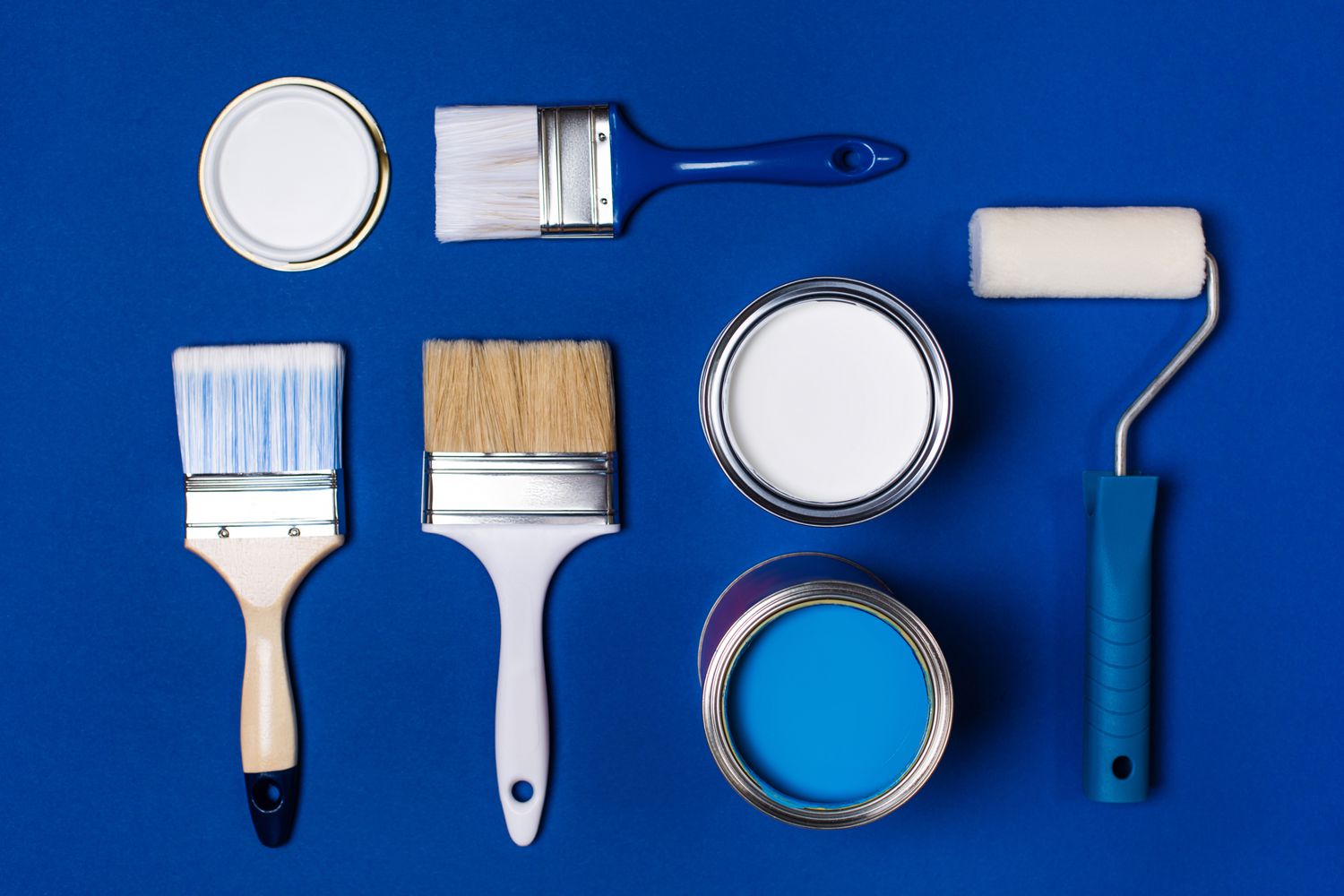
Embarking on a DIY painting project can be both exciting and daunting. Whether you’re refreshing a room, revamping old furniture, or adding a splash of color to your home’s exterior, having the right tools can make all the difference. Not only do they help in achieving a professional finish, but they also make the task more efficient and enjoyable. In this article, we’ll explore the essential painting tools that every DIY enthusiast should have in their arsenal to ensure perfect results every time.
Paintbrushes
Paintbrushes are the cornerstone of any painting project. While it might be tempting to purchase the cheapest options available, high-quality brushes can significantly impact the finish and ease of application.
Types of Paintbrushes
- Angle Sash Brushes: Ideal for painting corners and edges, these brushes allow for greater precision.
- Flat Brushes: Perfect for covering large surfaces quickly, flat brushes are a must-have for walls and ceilings.
- Detail Brushes: When working on intricate areas or delicate trim, detail brushes offer the control needed for fine work.
Paint Rollers
Paint rollers cover large areas with ease and provide a smooth finish. Choosing the right roller depends on the type of surface you’re painting.
Roller Covers
- Short Nap (1/4” to 3/8”): Suitable for smooth surfaces like plaster, drywall, and smooth wood.
- Medium Nap (1/2” to 3/4”): Best for semi-rough surfaces, such as textured walls and ceilings.
- Long Nap (1” and above): Designed for rough surfaces like brick and masonry.
Paint Trays and Liners
Paint trays and liners are essential for holding paint when using rollers. Liners make cleanup easier and extend the life of the tray.
Choosing the Right Tray
Opt for a sturdy tray that can accommodate the roller size you plan to use. A tray with deep wells can hold more paint, reducing the need for frequent refills.
Painter’s Tape
Painters tape is indispensable for achieving clean, professional lines. It’s designed to adhere firmly without leaving residue when removed.
Types and Uses
- General Purpose: Suitable for most surfaces, this tape is versatile and easy to use.
- Delicate Surfaces: Ideal for freshly painted areas or delicate surfaces, it offers less adhesion to prevent damage.
- Outdoor Use: Weather-resistant tape is perfect for exterior projects.
Drop Cloths
Protecting floors and furniture from paint splatters is crucial. Drop cloths come in various materials, each with unique advantages.
Material Options
- Canvas: Durable and reusable, canvas drop cloths provide excellent protection and grip.
- Plastic: Lightweight and waterproof, plastic drop cloths are ideal for quick projects.
- Paper: Disposable and cost-effective, paper drop cloths work well for small jobs.
Extension Poles
Extension poles attach to rollers and brushes, allowing you to reach high ceilings and walls without a ladder. Adjustable poles offer flexibility for various tasks.
Selecting an Extension Pole
Look for a pole with a comfortable grip and sturdy construction. Telescoping poles provide adjustable length, making them versatile for different projects.
Scrapers and Putty Knives
Preparing surfaces is a critical step in painting. Scrapers and putty knives help remove old paint, smooth surfaces, and apply filler.
Essential Tools
- Paint Scrapers: Use these to remove flaking or peeling paint before starting a new coat.
- Putty Knives: Ideal for applying spackle or filler to holes and cracks, ensuring a smooth surface.
Sandpaper and Sanding Blocks
Sanding is crucial for surface preparation. It smooths out imperfections and helps paint adhere better.
Types of Sandpaper
- Coarse (40 to 60 grit): Best for heavy material removal and rough surfaces.
- Medium (80 to 120 grit): Suitable for general-purpose sanding and surface preparation.
- Fine (150 to 180 grit): Used for final sanding before painting or between coats.
Paint Edgers
Paint edgers are designed to create clean lines along edges and corners, reducing the need for painters tape.
Using Paint Edgers
These tools often come with a guide wheel or pad to maintain a straight line, making them perfect for baseboards and trim.
Paint Sprayers
For large projects or when a smooth finish is required, paint sprayers offer efficiency and precision.
Types of Sprayers
- Airless Sprayers: Ideal for large surfaces, they provide fast coverage and a consistent finish.
- HVLP (High Volume Low Pressure) Sprayers: Best for detailed work and fine finishes, offering greater control.
Cleaning Supplies
Proper cleanup is essential for maintaining your tools and ensuring they last for future projects.
Must-Have Cleaning Items
- Brush Cleaners: Special solutions that remove paint from brushes without damaging the bristles.
- Roller Scrapers: Handy tools that help remove excess paint from rollers before washing.
Conclusion
Equipping yourself with the right tools can transform your DIY painting projects from daunting to delightful. Investing in quality equipment not only enhances the finish but also makes the process more efficient and enjoyable. Whether you’re a seasoned DIYer or a beginner, having these essential tools on hand will ensure your painting endeavors are successful and satisfying. So, gather your supplies, put on your painting clothes, and let your creativity shine with confidence!
#ChatGPT assisted in the creation of this article.


Post Comment