Creative DIY Shelving Ideas to Elevate Your Space
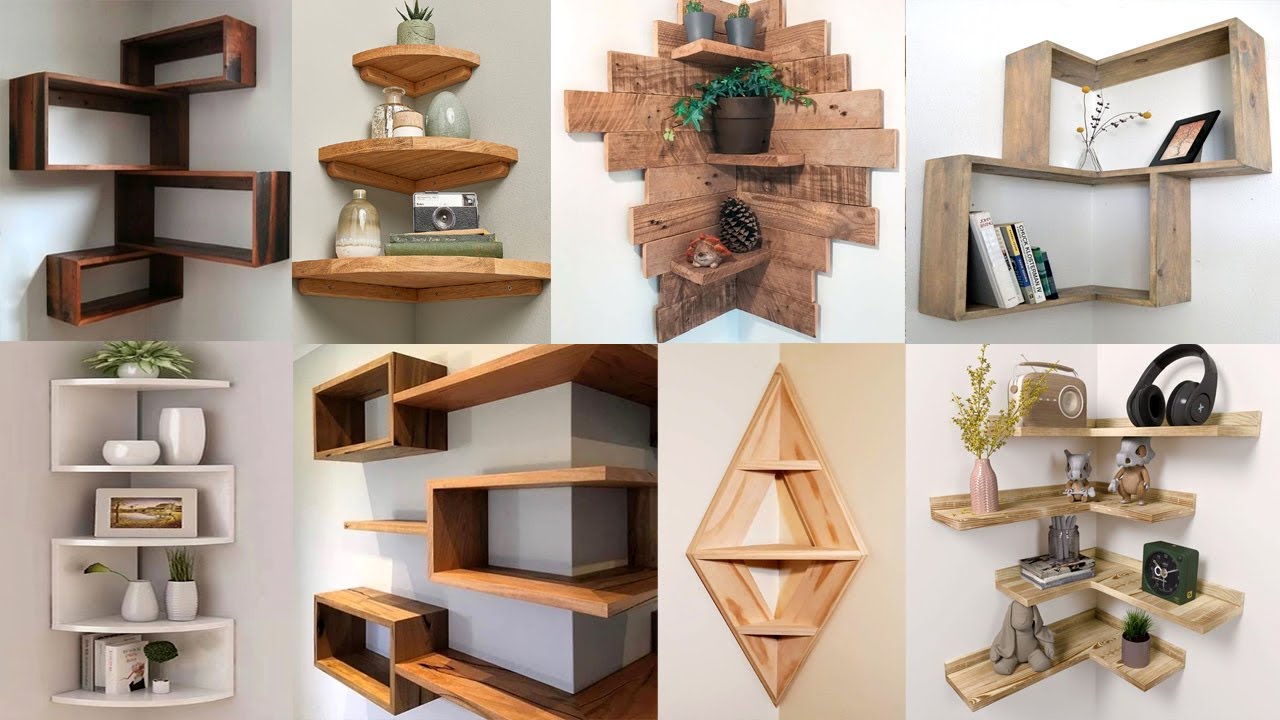
Floating Shelves
Floating shelves are a sleek and modern addition to any room. They provide a clean look by concealing the brackets and hardware, creating the illusion that the shelves are floating against the wall. You can use floating shelves to display books, plants, or decorative items. To make floating shelves, you’ll need some sturdy wood, a drill, and hidden brackets. The versatility of this shelving style allows you to customize the length and depth to fit your space perfectly.
Materials Needed:
- Wood planks
- Hidden brackets
- Drill and screws
- Level
- Measuring tape
Start by measuring the space where you want to install the shelves. Cut the wood planks to size, and sand any rough edges. Attach the hidden brackets to the wall using a drill and ensure they are level. Finally, slide the wood planks onto the brackets, and you have a set of chic floating shelves.
Crate Shelving
Crate shelving is an excellent option for rustic or farmhouse-style decor. Wooden crates can be repurposed to create unique shelving units. You can stack them, mount them on the wall, or arrange them in creative configurations. This type of shelving is perfect for storing books, toys, or kitchen supplies.
Materials Needed:
- Wooden crates
- Sandpaper
- Wood stain or paint (optional)
- Drill and screws
- Wall anchors
Begin by sanding the crates to remove any splinters. You can choose to stain or paint them to match your decor. Once dry, decide on the layout of your shelving unit. If you want a wall-mounted option, use a drill to attach the crates securely to the wall with screws and wall anchors. For a stacked arrangement, simply place the crates on the floor and stack them in your desired configuration.
Pipe Shelving
Industrial pipe shelving combines rugged materials with a modern aesthetic, making it a great addition to urban lofts or contemporary homes. This shelving style uses metal pipes and fittings paired with wood planks to create a sturdy and stylish structure.
Materials Needed:
- Metal pipes and fittings
- Wood planks
- Pipe brackets
- Drill and screws
- Level
- Measuring tape
First, design your shelf layout, considering the length and height of the pipes. Cut the wood planks to size and sand them smooth. Assemble the metal pipes and fittings according to your design, ensuring they are securely tightened. Use pipe brackets to attach the pipes to the wall, checking with a level to ensure they are straight. Finally, place the wood planks on top of the pipes to complete your industrial shelving unit.
Ladder Shelving
Ladder shelves are both functional and visually appealing. They can be leaned against a wall, offering a casual and flexible solution for displaying items like plants, books, or picture frames. This style is perfect for a minimalist or bohemian decor theme.
Materials Needed:
- Old or new ladder
- Wood planks (optional)
- Sandpaper
- Paint or wood stain (optional)
Find a ladder that fits your aesthetic, whether it’s an antique wooden ladder or a sleek modern one. Sand any rough spots and apply a coat of paint or stain if desired. If your ladder has wide steps, you can use it as-is. Otherwise, cut wood planks to size and place them on the steps to create larger shelf surfaces. Lean the ladder against a wall and start displaying your items.
Corner Shelving
Utilizing corners is an excellent way to maximize space in a room. Corner shelves can be both functional and decorative, providing a great opportunity to showcase plants, candles, or small art pieces.
Materials Needed:
- Wood planks
- Brackets
- Drill and screws
- Level
- Measuring tape
Measure the corner space and cut the wood planks to create triangular or L-shaped shelves. Attach brackets to the wall using a drill, ensuring they are level. Mount the wood planks on the brackets, and your corner shelves are ready to be styled.
Repurposed Materials
One of the most creative aspects of DIY projects is the ability to repurpose materials. Old doors, windows, or pallets can be transformed into unique shelving units. This approach not only adds character to your space but is also environmentally friendly.
Materials Needed:
- Repurposed materials (doors, windows, pallets)
- Sandpaper
- Drill and screws
- Brackets (optional)
- Paint or stain (optional)
For a door shelf, cut the door to your desired height and add shelves using brackets or directly attach wood planks. Sand and paint or stain the piece for a finished look. For pallet shelves, disassemble a pallet and use the slats as shelves, attaching them to a wall with brackets. The possibilities are endless with repurposed materials, allowing you to create a one-of-a-kind shelving unit.
Conclusion
DIY shelving projects offer a fantastic way to add both function and style to your home. By using materials like wood, metal pipes, crates, and even repurposed items, you can create unique shelving solutions that reflect your personal style. Whether you prefer the clean lines of floating shelves or the rustic charm of crate shelving, these projects are an excellent way to elevate your space while showcasing your creativity. So, grab your tools and start building your perfect shelf today!
#ChatGPT assisted in the creation of this article.


Post Comment