DIY Tool Maintenance: Essential Tips for Longevity
Whether you’re a seasoned DIY enthusiast or a weekend warrior, your tools are the backbone of your projects. Quality tools are an investment, and with the right maintenance, they can last for years, ensuring reliable performance every time you reach for them. Here, we delve into essential tips for maintaining your DIY tools, helping you extend their lifespan and keep them in top-notch condition.
Understanding the Importance of Tool Maintenance
Before diving into maintenance techniques, it’s crucial to understand why tool maintenance is essential. Well-maintained tools not only perform better but also ensure safety during use. Dirt, rust, and wear can compromise the tool’s functionality and, in some cases, make them hazardous. Regular maintenance saves you money in the long run, reducing the need for costly replacements and repairs.
Essential Tips for DIY Tool Maintenance
1. Cleaning Your Tools Regularly
Cleaning is the most basic yet vital aspect of tool maintenance. After each use, wipe down your tools with a clean, dry cloth to remove dust, dirt, and any residue from construction materials. For tools exposed to moisture or corrosive substances, consider using a damp cloth followed by drying with a soft, dry towel. Avoid using harsh chemicals that can damage the tool’s surface; instead, opt for mild soapy water when necessary.
2. Lubricate Moving Parts
Tools with moving parts, such as pliers, wrenches, and saws, require regular lubrication to function smoothly. Lubricants reduce friction, preventing wear and tear, and protecting against rust. Use a high-quality lubricant suitable for metal parts, applying it sparingly to avoid attracting dirt. Wipe off any excess lubricant to keep the tool clean.
3. Sharpen Blades and Bits
Sharp tools are not only more efficient but also safer to use. Dull blades and bits can slip, leading to accidents. Regularly check the sharpness of your cutting tools, including knives, saws, and drill bits. Use a sharpening stone or file for manual sharpening, or invest in an electric sharpener for faster results. Follow the manufacturer’s guidelines for sharpening angles to ensure optimal performance.
4. Inspect for Damage
Regular inspections help identify signs of wear and damage before they become serious issues. Look for cracks, chips, and loose parts in your tools. Pay close attention to tool handles, as these are prone to damage from heavy use. Wooden handles can develop splinters, while plastic handles may crack. Address minor damages promptly to prevent them from worsening.
5. Store Tools Properly
Proper storage is integral to maintaining tools. Store your tools in a dry, cool place to prevent rust and corrosion. Use toolboxes or wall-mounted racks to organize your tools, making them easily accessible and reducing the risk of damage. If your tools are stored in a garage or basement, consider using a dehumidifier to control moisture levels. For power tools, ensure that cords are neatly wound and stored to prevent tangling and damage.
Maintaining Specific Types of Tools
Hand Tools
Hand tools, such as hammers, screwdrivers, and pliers, require minimal maintenance but should not be overlooked. Regularly check for rust on metal parts and apply a rust remover if needed. For tools with wooden handles, sand down rough spots and apply a coat of linseed oil to keep the wood conditioned.
Power Tools
Power tools demand more attention due to their complex components. Ensure the power source, whether battery or corded, is in good condition. Clean vents to prevent dust buildup, which can lead to overheating. Regularly check and tighten any loose screws or bolts. For battery-powered tools, follow proper charging practices to prolong battery life.
Garden Tools
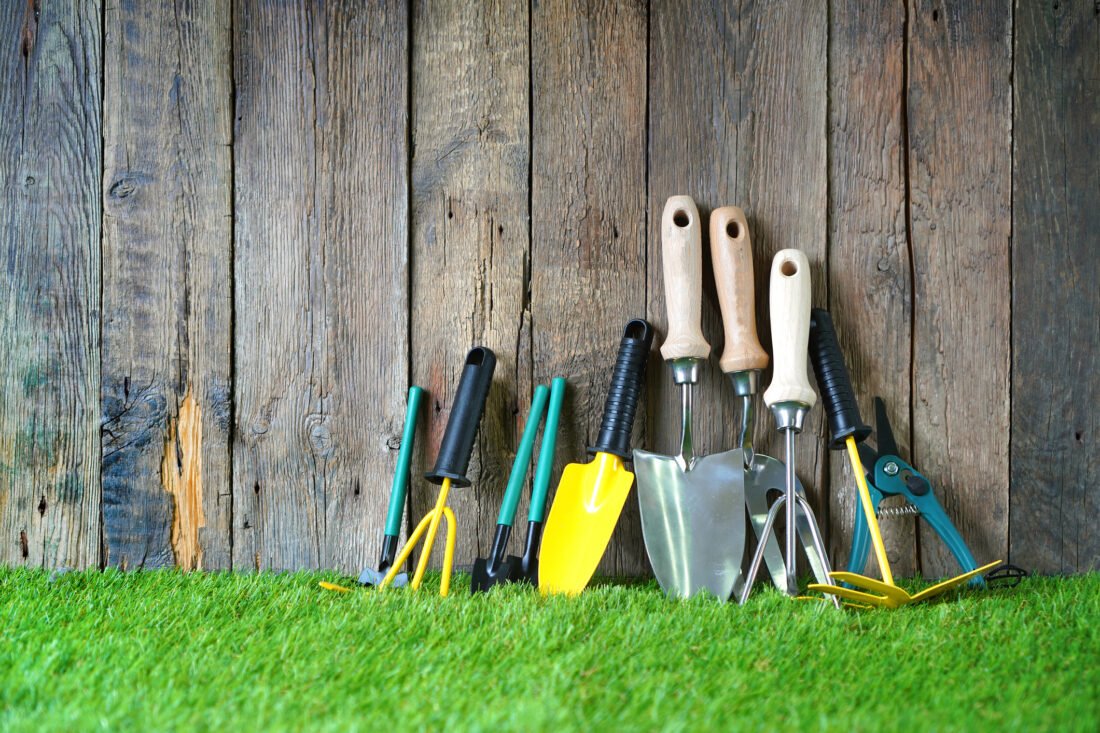
Garden tools are frequently exposed to soil and moisture, making them susceptible to rust. After each use, clean off dirt and debris. Sharpen blades regularly to ensure efficient cutting. Store garden tools in a shed or garage to protect them from the elements.
Safety Precautions During Tool Maintenance
While maintaining your tools, prioritize safety. Wear appropriate protective gear, such as gloves and safety glasses, to protect against sharp edges and flying debris. Disconnect power tools from their power source before performing any maintenance. Always follow the manufacturer’s instructions and guidelines for tool maintenance.
Conclusion
Maintaining your DIY tools is a straightforward process that pays off in the long run. By incorporating regular cleaning, lubrication, sharpening, inspection, and proper storage into your routine, you can ensure your tools remain reliable, efficient, and safe. Remember, well-maintained tools are an investment in the quality and safety of your DIY projects. By dedicating a little time and effort to tool maintenance, you enhance the longevity and performance of your tools, allowing you to tackle any project with confidence.
#ChatGPT assisted in the creation of this article.


Post Comment