Essential Woodworking Tools Guide for Beginners
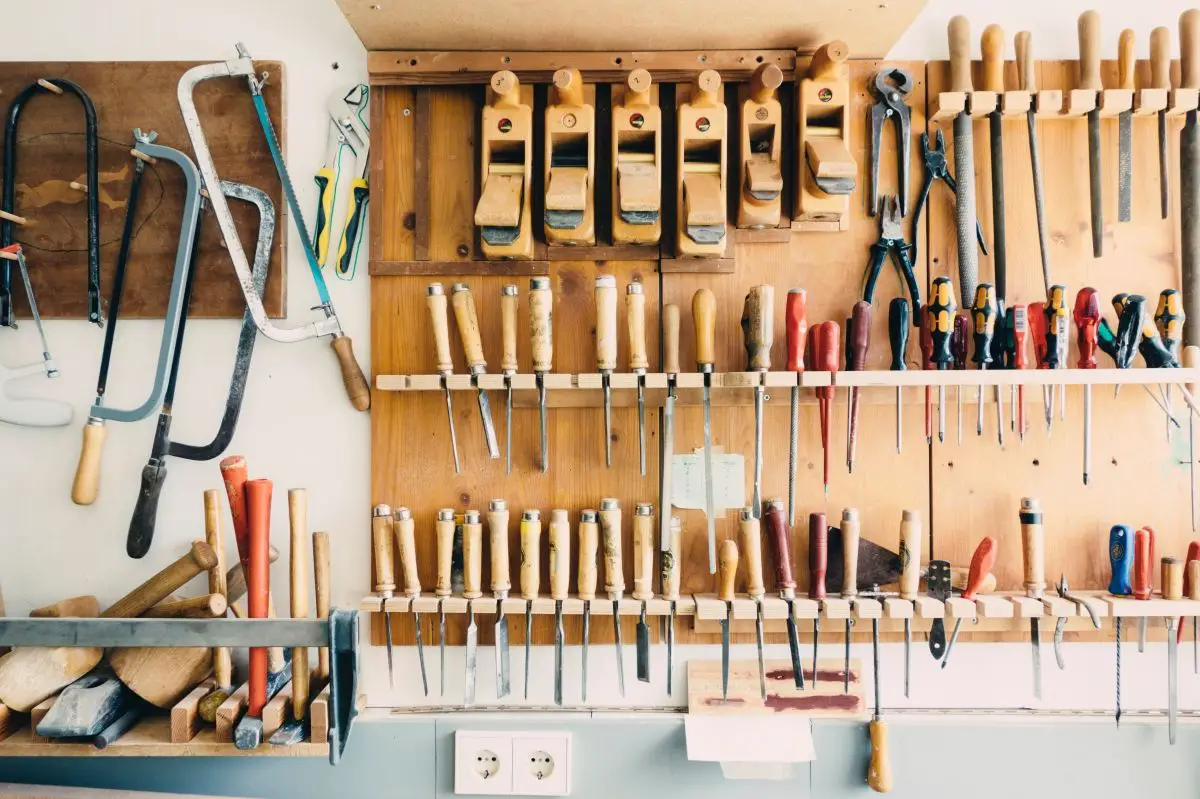
Woodworking is a rewarding and creative hobby that allows you to craft beautiful and functional items. Whether you’re building furniture, creating art, or making home improvements, having the right tools is crucial for success. As a beginner, the world of woodworking tools can be overwhelming, but this guide will help you understand the essential tools you need to start your journey.
Hand Tools
Hand tools are the foundation of any woodworking shop. They are versatile, require no electricity, and provide precision and control that power tools may lack. Here are some essential hand tools for beginners:
Claw Hammer
The claw hammer is a staple in any woodworking toolkit. It is primarily used for driving nails into wood and extracting them. A hammer with a comfortable grip and a balanced weight will make your woodworking tasks easier and more enjoyable.
Screwdrivers
A set of screwdrivers is essential for assembling projects and making adjustments. A quality set will include both flathead and Phillips head screwdrivers in various sizes to accommodate different screw types.
Hand Saw
A hand saw is indispensable for cutting wood to size. A good crosscut saw will allow you to make clean, straight cuts, while a rip saw is more suited for cutting along the grain. Consider starting with a universal saw that can handle both tasks.
Chisels
Wood chisels are used for carving, shaping, and removing excess material. A set of sharp chisels in various sizes will enable you to tackle a wide range of projects. Remember to keep them sharp for precise and clean cuts.
Measuring Tools
Accurate measurements are vital in woodworking. A reliable tape measure, a combination square, and a marking gauge will help you measure and mark your materials accurately.
Power Tools
While hand tools are essential, power tools can greatly enhance your efficiency and expand your capabilities. Here are some key power tools for beginners:
Drill
A cordless drill is a versatile tool that can be used for drilling holes and driving screws. Look for a model with variable speed settings and a keyless chuck for easy bit changes.
Jigsaw
A jigsaw is perfect for making curved and intricate cuts. It’s a great tool for cutting shapes out of wood and making detailed designs. Choose a jigsaw with a comfortable grip and adjustable speed settings.
Circular Saw
A circular saw is invaluable for making straight cuts quickly and accurately. It’s ideal for cutting large sheets of plywood and other materials to size. Ensure that the saw has a sturdy base plate and a reliable blade guard.
Random Orbital Sander
Sanding is a crucial step in preparing wood for finishing. A random orbital sander will help you achieve a smooth, even surface without leaving swirl marks. Choose one with variable speed settings for better control.
Safety Equipment
Safety should always be a priority in woodworking. Proper safety equipment will protect you from potential hazards. Here are some essential safety items:
Safety Glasses
Protect your eyes from flying debris and dust with a pair of safety glasses. Look for glasses with impact-resistant lenses and a comfortable fit.
Hearing Protection
Power tools can be loud, and prolonged exposure to noise can damage your hearing. Invest in quality earplugs or earmuffs to reduce noise levels.
Dust Mask
Woodworking creates dust that can be harmful if inhaled. A dust mask or respirator will protect your lungs from fine particles and allergens.
Workbench and Clamping
A sturdy workbench is essential for any woodworking project. It provides a stable surface for cutting, assembling, and finishing your work. Additionally, having proper clamping tools is crucial for holding your workpieces securely.
Workbench
Choose a workbench that is solid and has a flat surface. It should be at a comfortable height for you to work on. Some benches come with built-in storage, which can be very convenient for keeping your tools organized.
Clamps
Clamps are used to hold your workpieces in place while you cut, glue, or assemble them. A variety of clamps, such as bar clamps, C-clamps, and quick-release clamps, will provide the flexibility needed for different projects.
Finishing Tools
The finishing stage is what gives your project a professional look. Proper finishing tools and techniques can enhance the beauty and durability of your work.
Paintbrushes and Rollers
For applying stains, paints, or varnishes, you’ll need a selection of quality paintbrushes and rollers. Different sizes will allow you to cover large surfaces and fine details effectively.
Sanding Blocks
While power sanders are great for removing material quickly, sanding blocks offer control and precision for finishing touches. They’re ideal for working on small areas and edges.
Storage and Organization
Keeping your workspace organized not only makes it easier to find and use tools but also enhances safety and efficiency.
Toolbox
A sturdy toolbox will help keep your smaller hand tools organized and easily accessible. Consider a toolbox with compartments to separate different types of tools.
Wall Racks and Shelving
Use wall-mounted racks and shelving to store larger tools and materials. This will free up floor space and keep your workshop tidy.
Conclusion
Embarking on your woodworking journey requires some investment in essential tools, but you don’t need to buy everything at once. Start with the basics and gradually expand your toolkit as you gain experience and tackle more complex projects. Remember, the quality of your tools can significantly impact your work, so choose wisely and maintain them well. With the right tools and a bit of practice, you’ll be well on your way to creating beautiful and functional pieces of woodworking art.


Post Comment