Mastering Power Tools: Essential Tips for Beginners
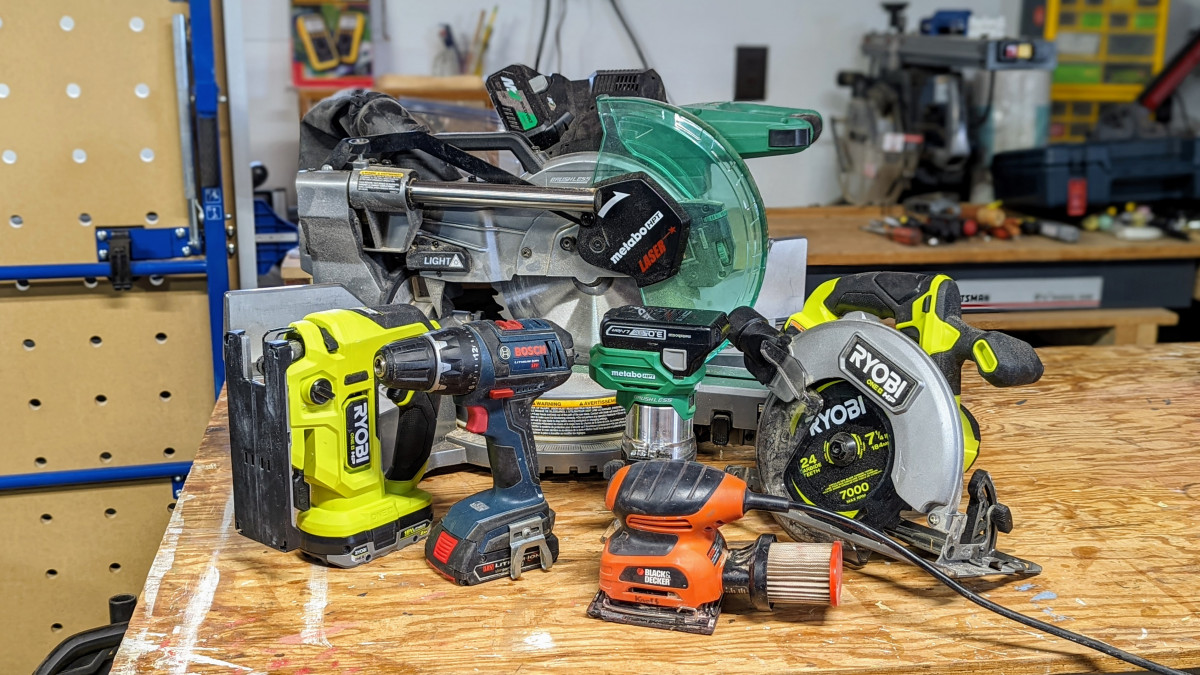
Power tools have revolutionized the way we approach DIY projects and professional tasks alike. From building furniture to intricate woodworking, power tools offer efficiency, precision, and power that manual tools simply cannot match. However, for beginners, the world of power tools can be overwhelming. Understanding their functions, safety protocols, and best practices is crucial for both effective use and safety. This article aims to guide beginners in mastering power tools with essential tips and insights.
Understanding Different Types of Power Tools
Before diving into the techniques and safety measures, it is essential to familiarize yourself with the various power tools available. Here are some common types:
Drills
Drills are one of the most versatile power tools, used for boring holes and driving screws. They come in different types such as cordless drills, hammer drills, and impact drivers, each suited for specific tasks.
Saws
Saws are used to cut materials like wood, metal, and plastic. Common types include circular saws, jigsaws, and miter saws. Each saw type offers unique cutting capabilities and is suited for specific materials and cuts.
Sanders
Sanders are used to smooth surfaces by abrasion. Belt sanders, orbital sanders, and detail sanders are popular choices for different finishing needs.
Grinders
Grinders are used for cutting, grinding, and polishing materials. Angle grinders and bench grinders are widely used in both metalwork and woodworking.
Routers
Routers are used for hollowing out an area in hard materials like wood or plastic. They are crucial in cabinetry and decorative woodworking.
Essential Tips for Beginners
1. Start with the Basics
For beginners, it’s important to start with the basic tools and gradually expand your collection. Invest in a good quality drill, saw, and sander, as they are the most frequently used tools in most projects. As you grow more comfortable, you can add more specialized tools to your arsenal.
2. Prioritize Safety
Safety should always be the top priority when using power tools. Here are some safety tips to follow:
– Always wear appropriate personal protective equipment (PPE) such as safety glasses, ear protection, and gloves.
– Read the user manual for each tool to understand its operation and safety features.
– Keep your work area clean and free of distractions.
– Ensure that power cords are in good condition and kept away from the cutting path.
– Always unplug tools when changing blades or bits.
3. Understand the Tool’s Function
Before using any power tool, take the time to understand its specific function and limitations. Each tool is designed for particular tasks and using it for unintended purposes can lead to accidents or damage.
4. Practice Control and Precision
Power tools can be more powerful than they appear. Practice controlling the tool by starting at a lower speed and gradually increasing it as you gain confidence. Precision is key, so take time to measure and mark your work before cutting or drilling.
5. Maintain Your Tools
Regular maintenance ensures that your tools remain in good working condition and prolongs their lifespan. Clean your tools after each use, sharpen blades regularly, and lubricate moving parts to prevent rust and wear.
6. Seek Guidance and Training
If you’re unsure about using a particular tool, don’t hesitate to seek guidance. You can find tutorials online, attend workshops, or ask experienced individuals for tips and demonstrations. Hands-on practice under supervision can be invaluable for gaining confidence.
Common Mistakes to Avoid
Lack of Planning
Jumping into a project without a clear plan can lead to mistakes and wasted materials. Plan your project thoroughly, including measurements and the sequence of tasks, to ensure a smooth workflow.
Ignoring Tool Limits
Every power tool has its limitations. Pushing a tool beyond its capacity can result in poor performance or even damage. Understand each tool’s capabilities and use the right tool for the job.
Improper Handling
Improper handling of power tools is a common mistake among beginners. Always use both hands when operating tools that require it and maintain a firm grip to prevent accidents.
Overlooking Safety Gear
Neglecting to wear safety gear is a dangerous oversight. Safety gear is designed to protect you from potential hazards and should be worn at all times when using power tools.
Conclusion
Mastering power tools is a rewarding journey that opens up countless possibilities for DIY projects and professional work. By starting with the basics, prioritizing safety, understanding each tool’s function, and practicing precision, beginners can quickly become proficient. Avoid common mistakes, maintain your tools, and seek guidance when needed. With time and practice, you’ll gain the confidence and skill to tackle increasingly complex tasks and fully harness the potential of power tools.
Happy crafting, and remember: safety first, precision second, and creativity always!


Post Comment