Top DIY Measuring Tools to Boost Your Projects
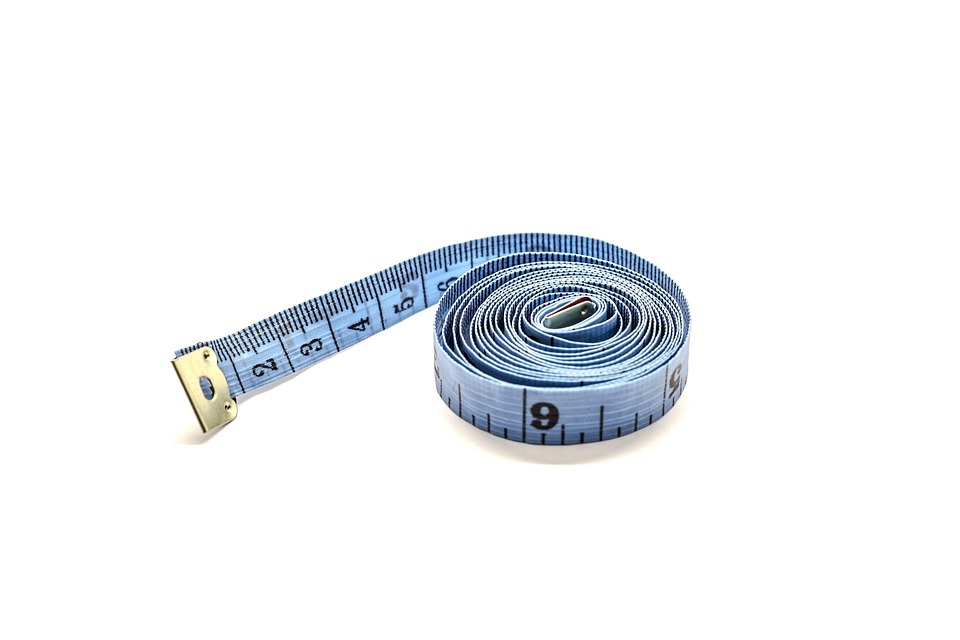
Whether you’re a seasoned DIY enthusiast or a newbie just starting to explore the world of home improvement, having the right set of measuring tools is essential. Accurate measurements are the foundation of any successful project, ensuring precision and saving you time and resources. In this article, we’ll explore some of the top DIY measuring tools that can significantly enhance your projects, from simple home repairs to complex builds.
Tape Measure
A tape measure is a staple in any DIY toolkit. Its versatility and ease of use make it indispensable for both small and large projects. Most tape measures are retractable and come in lengths ranging from 12 to 25 feet, although longer versions are available.
Features to Look For
- Length and Width: Choose a tape measure that suits the scale of your projects. A wider tape is generally more stable and easier to read.
- Locking Mechanism: A good tape measure should have a reliable locking mechanism to hold the tape in place once extended.
- Durability: Opt for a tape measure with a durable casing, often made from rubber or tough plastic, to withstand drops and wear.
Combination Square
The combination square is a multi-functional tool that serves several purposes, including measuring angles, checking for square, and marking lines. It consists of a ruled blade and a movable head, allowing for various measurements and applications.
Benefits
- Versatility: Its ability to measure 90-degree and 45-degree angles makes it a versatile tool for woodworking and metalworking.
- Precision: The ruled blade often comes with etched markings for precise measurements.
- Ease of Use: The adjustable head allows for quick and accurate adjustments.
Spirit Level
Achieving level surfaces is crucial in many projects, from hanging shelves to installing tiles. A spirit level, also known as a bubble level, helps ensure that surfaces are perfectly horizontal or vertical.
Types of Spirit Levels
- Carpenter’s Level: Usually two to four feet long, it’s ideal for larger surfaces.
- Torpedo Level: A smaller, more portable version, perfect for tight spaces.
- Line Level: Used for leveling over long distances, often with a string or line.
Choosing the Right Spirit Level
- Accuracy: Look for levels with a higher sensitivity for more precise readings.
- Durability: Opt for models with a strong frame, often made from aluminum or composite materials.
Digital Caliper
For fine measurements, a digital caliper is indispensable. It provides precise measurements of both internal and external dimensions, as well as depth.
Advantages of Digital Calipers
- Precision: Capable of measuring within thousandths of an inch or hundredths of a millimeter.
- Ease of Use: The digital display makes readings easy and eliminates errors associated with manual calipers.
- Versatility: Useful for various applications, including woodworking, metalworking, and automotive repairs.
Laser Distance Measurer
A laser distance measurer is a modern tool that uses laser technology to measure distances quickly and accurately. It’s ideal for measuring large distances or areas where a tape measure would be cumbersome.
Benefits
- Convenience: Allows for measurements at the push of a button, saving time and effort.
- Precision: Highly accurate, often within 1/16 of an inch.
- Functionality: Many models include features such as area and volume calculations, and some can even store measurement data.
Angle Finder
Perfect for projects that involve cutting angles, an angle finder helps in measuring and replicating angles accurately. It’s especially useful in carpentry and framing work.
Types of Angle Finders
- Digital Angle Finder: Provides a digital readout for precise angle measurements.
- Protractor Style: Offers a traditional approach to measuring angles, often with a swinging arm.
Choosing the Right Angle Finder
- Accuracy: Ensure the tool provides precise angle readings, especially for critical cuts.
- Usability: Consider models with large, easy-to-read displays or clear markings.
Stud Finder
Essential for any project that involves mounting or hanging objects on walls, a stud finder helps locate the framing studs behind wall surfaces.
Types of Stud Finders
- Magnetic Stud Finder: Uses magnets to locate nails or screws in the studs.
- Electronic Stud Finder: Uses sensors to detect changes in wall density, providing more precise readings.
Benefits of Using a Stud Finder
- Accuracy: Helps ensure that whatever you’re mounting is securely fastened to a stud.
- Prevention: Avoids unnecessary holes or damage to walls.
Conclusion
In the world of DIY, having the right measuring tools can make all the difference. From ensuring straight lines and perfect angles to measuring over long distances with ease, these tools are invaluable for improving both the quality and efficiency of your projects. By investing in reliable, high-quality measuring tools such as tape measures, spirit levels, digital calipers, and more, you’ll be well-equipped to tackle any project with confidence and precision.
#ChatGPT assisted in the creation of this article.


Post Comment