Top DIY Safety Tips for Accident-Free Projects
Do-it-yourself (DIY) projects have become increasingly popular, offering a creative outlet and a sense of accomplishment for many. Whether you’re building furniture, renovating a room, or crafting personalized gifts, DIY projects can be both rewarding and cost-effective. However, safety should always be a priority to ensure these projects remain enjoyable and accident-free. This article provides essential safety tips to consider before and during your DIY endeavors.
Planning and Preparation
Research and Planning
Before starting any DIY project, thorough research is essential. Understand the scope of the project and identify all necessary steps and materials. Create a detailed plan or blueprint of what you aim to accomplish. This preparation can help prevent unexpected challenges that could lead to unsafe situations.
Gather the Right Tools and Materials
Using the right tools and materials is crucial for both the success and safety of your project. Ensure all tools are in good working condition and appropriate for the task at hand. Gather materials that are suitable for your project, avoiding substandard or damaged items. Investing in high-quality tools may have a higher upfront cost but can prevent accidents and injuries.
Personal Protective Equipment (PPE)
Wear the Appropriate Gear
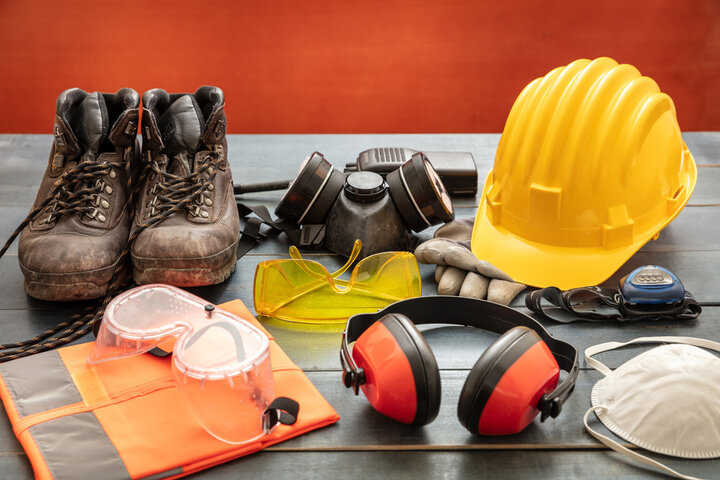
Personal protective equipment is a critical component of DIY safety. Depending on the project, you might need safety goggles, gloves, ear protection, respirators, or protective clothing. Always wear closed-toe shoes and work in clothing that covers exposed skin to minimize injury risks.
Maintain a Safe Workspace
A cluttered workspace is an accident waiting to happen. Keep your work area clean and organized to prevent trips and falls. Ensure that tools and materials are stored properly when not in use, and maintain clear pathways to avoid obstacles and hazards.
Tool and Equipment Safety
Read the Instructions
Before operating any tool, read and understand the manufacturer’s instructions and safety guidelines. Familiarize yourself with the tool’s functions, safety features, and limitations. This knowledge can help you use the tool effectively and avoid misuse that could lead to accidents.
Regular Maintenance and Inspection
Regularly inspect and maintain your tools to ensure they remain in good working condition. Check for signs of wear and tear, such as frayed cords, dull blades, or loose parts. Address any issues immediately, and do not use tools that are damaged or malfunctioning.
Chemical and Material Safety
Handle Chemicals with Care
Many DIY projects involve the use of chemicals, such as paints, solvents, or adhesives. Always follow the safety instructions on the labels and use these substances in well-ventilated areas to avoid inhaling harmful fumes. Store chemicals securely and away from children and pets.
Be Aware of Material Hazards
Certain materials, like asbestos or lead paint, can pose significant health risks. If your project involves older buildings or furniture, it’s essential to identify and handle these materials safely. Testing kits and professional services are available to help identify hazardous substances.
Electrical and Fire Safety
Understand Electrical Safety
When working with electrical systems or tools, always turn off the power supply before beginning the task. Use insulated tools and avoid working on wet surfaces to prevent electric shock. If you’re unsure about handling electrical components, consult a professional.
Fire Prevention
DIY projects can sometimes involve heat or open flames, such as soldering or welding. Keep a fire extinguisher nearby and ensure you know how to use it. Avoid using flammable materials near open flames and follow all safety precautions related to fire prevention.
Ergonomics and Physical Safety
Practice Safe Lifting Techniques
Many DIY projects require lifting heavy objects. Use proper lifting techniques to prevent injuries: bend your knees, keep your back straight, and lift with your legs, not your back. If an object is too heavy, ask for assistance or use a dolly or lift.
Take Regular Breaks
Fatigue can lead to mistakes and accidents. Take regular breaks to rest and hydrate, especially during long projects. Stretching and moving around can help prevent strain and fatigue-related injuries.
Conclusion
Embarking on DIY projects can be a fulfilling and enjoyable experience, but safety should never be compromised. By planning thoroughly, using the right tools and materials, wearing personal protective equipment, and maintaining a clean and organized workspace, you can minimize risks and enjoy accident-free projects. Always prioritize safety and be prepared to seek professional help when necessary to ensure your DIY endeavors are both successful and safe.


Post Comment