Top DIY Sanding Tools for Perfect Finishes
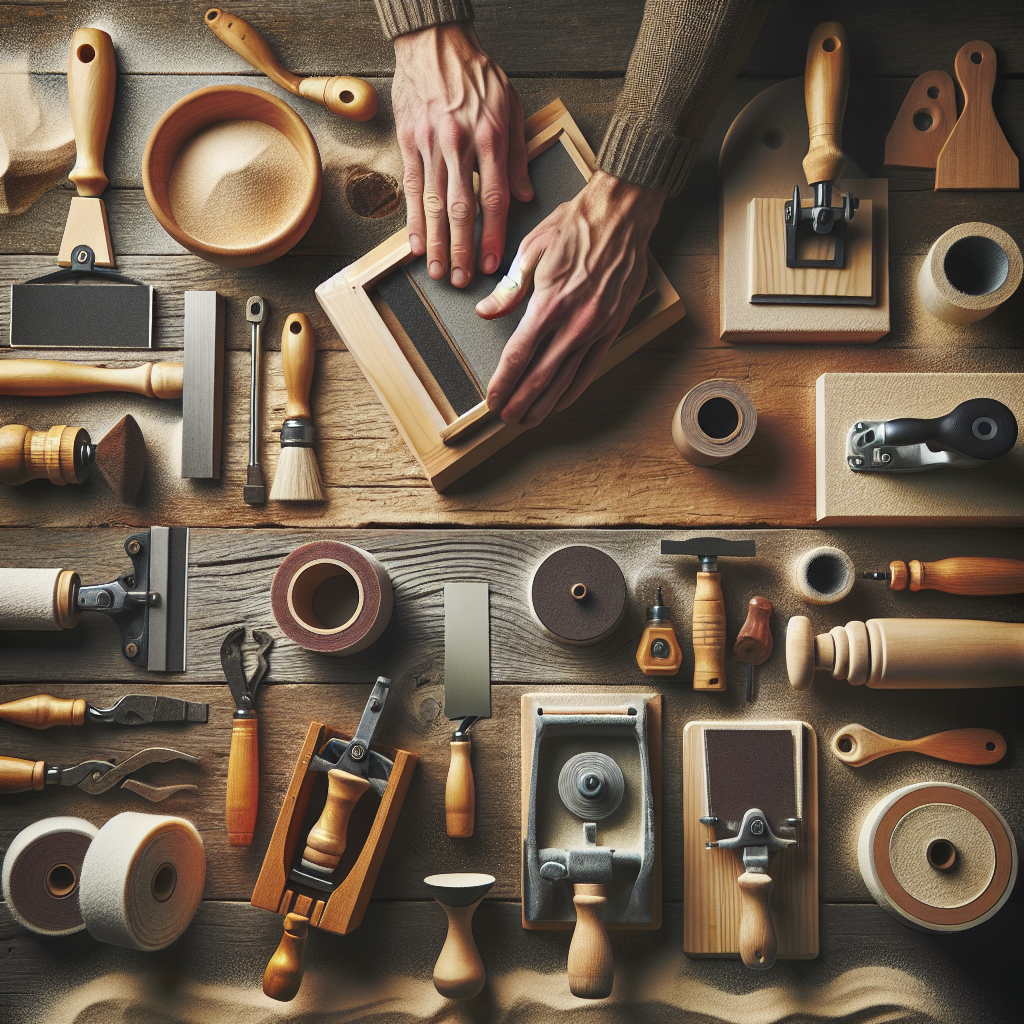
Achieving a perfect finish on your DIY projects often depends on the quality of your sanding. Whether you’re working with wood, metal, or any other material, sanding is a crucial step that can make or break your final result. A well-sanded surface not only looks professional but also ensures that paint, stain, or varnish adheres properly. In this article, we will explore the top DIY sanding tools that can help you achieve that flawless finish you desire.
Understanding Sanding Tools
Sanding tools come in various forms and are designed for different tasks. From manual tools to electric sanders, each type has its own set of features and benefits. Understanding these tools will allow you to choose the right one for your project, ensuring efficiency and a high-quality finish.
Manual Sanding Tools
While power tools are often preferred for their speed and efficiency, manual sanding tools still play a crucial role in achieving a perfect finish. They offer greater control and are ideal for delicate tasks or when working on intricate details.
Sandpaper
The most basic sanding tool, sandpaper, comes in various grits. Coarse grits (40-60) are used for rough sanding, medium grits (80-120) for smoothing surfaces, and fine grits (150-220) for final finishing. For the smoothest finish, extra-fine grits (320 and above) can be used. Sandpaper sheets can be used on their own or with a sanding block for better control.
Sanding Block
A sanding block is a simple yet effective tool that holds sandpaper securely, making it easier to apply even pressure across the surface. They come in various shapes and sizes to accommodate different tasks, and some are designed with ergonomic grips for comfort.
Power Sanding Tools
For larger projects or when time is of the essence, power sanding tools are invaluable. They significantly speed up the sanding process and can handle tougher materials and surfaces.
Orbital Sander
An orbital sander is a versatile tool suitable for a variety of sanding tasks. It works by moving the sanding pad in a random orbit, reducing the risk of leaving swirl marks on the surface. This makes it ideal for finishing tasks on wood, metal, and even plastic. Orbital sanders are easy to use and are available in various sizes.
Belt Sander
Belt sanders are powerful tools designed for rapid material removal. They are perfect for flattening and smoothing large surfaces, such as tabletops or doors. The continuous loop of sandpaper moves quickly, making it ideal for coarse sanding tasks. However, due to their aggressive nature, care must be taken to prevent gouging the material.
Detail Sander
When you need precision in tight spaces, a detail sander is the tool of choice. It features a triangular pad that can reach into corners and narrow spaces where other sanders cannot reach. This makes it perfect for intricate woodworking projects or detailed restoration work.
Specialty Sanding Tools
In addition to standard sanding tools, there are specialized options available for unique tasks or materials. These tools are designed to tackle specific challenges in sanding and finishing.
Sanding Sponges
Sanding sponges are flexible foam blocks coated with abrasive material. They conform to the shape of the surface, making them ideal for sanding contoured or curved surfaces. They are available in various grits and are particularly useful for smoothing drywall joints or wooden furniture with rounded edges.
Drum Sander
Used primarily for woodworking, drum sanders are powerful machines that can smooth large, flat surfaces quickly. They are ideal for flooring projects or when working with large pieces of wood. The drum sander uses a rotating drum covered with sandpaper, which removes a thin layer of material with each pass.
File Sander
A file sander, also known as a finger sander, is a compact tool designed for precision work in tight spaces. It features a narrow belt that can be used for shaping and smoothing small areas or intricate details. File sanders are often used in model making or for detailed metalwork.
Tips for Achieving a Perfect Finish
Regardless of the sanding tool you choose, proper technique is essential for achieving a perfect finish. Here are some tips to keep in mind:
- Choose the Right Grit: Start with a coarser grit to remove imperfections, then gradually move to finer grits for a smooth finish.
- Sand with the Grain: When working with wood, always sand in the direction of the grain to prevent scratches and achieve a smoother surface.
- Keep the Surface Clean: Dust and debris can interfere with the sanding process, so regularly clean the surface and the sanding tool.
- Apply Even Pressure: Whether using manual or power tools, apply even pressure to avoid creating uneven surfaces.
- Take Your Time: Rushing through sanding can lead to mistakes. Take your time to ensure a thorough and even finish.
Conclusion
Sanding is an essential step in any DIY project that involves finishing. With the right tools and techniques, you can achieve a professional-quality finish that enhances the appearance and durability of your work. From basic sandpaper to advanced power tools, the right sanding tool can make all the difference. By understanding the capabilities of each tool and applying proper sanding techniques, you can ensure that your projects always have a flawless finish.
Whether you’re a seasoned DIY enthusiast or a beginner, investing in quality sanding tools will pay off in the long run. With practice, patience, and the right equipment, you’ll be able to tackle any sanding task with confidence and achieve the perfect finish every time.


Post Comment