Top DIY Tools for Beginners: Essential Starter Kit
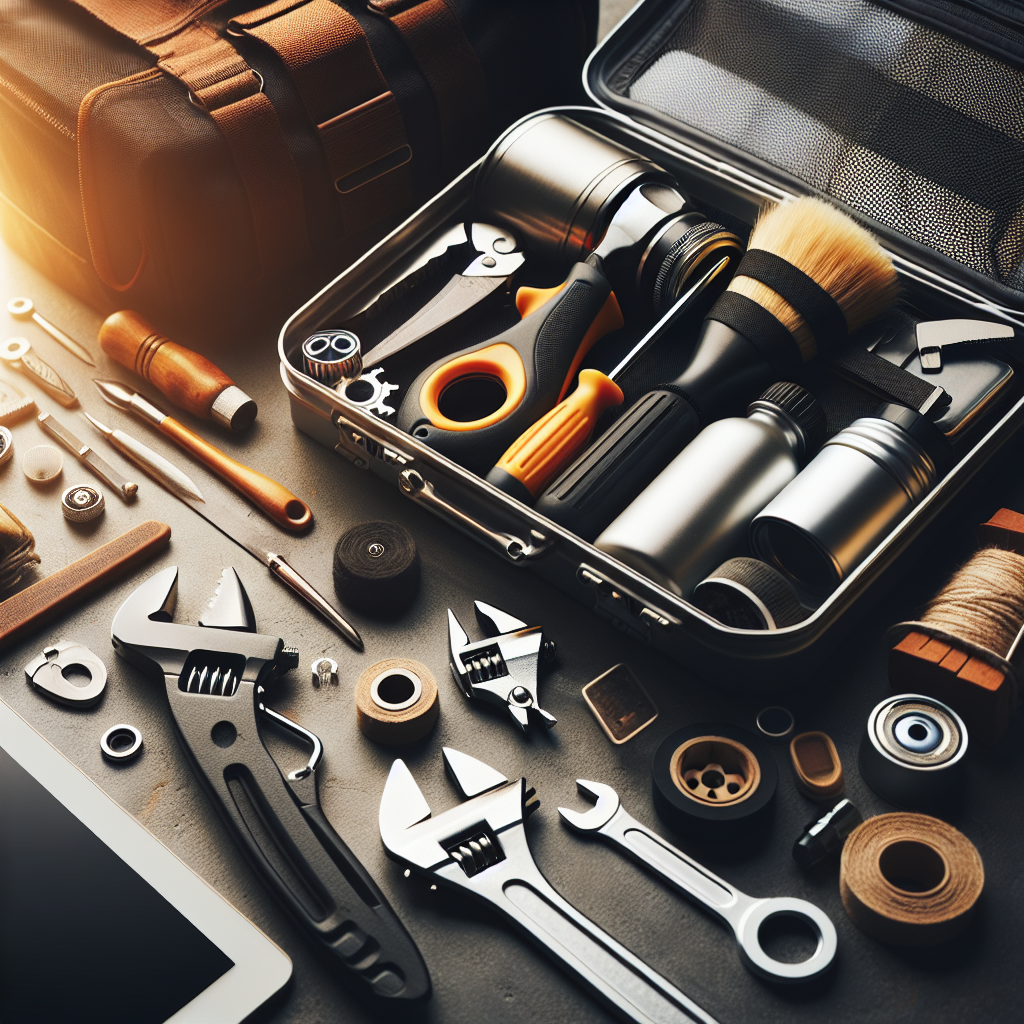
Embarking on a do-it-yourself (DIY) journey can be both exciting and rewarding. Whether you’re looking to tackle home improvements, craft projects, or simple repairs, having the right tools is essential. For beginners, the world of tools can be overwhelming, but fear not! This guide will help you assemble a starter kit of essential DIY tools that will equip you for a variety of projects. We’ll cover the must-have tools, their uses, and some tips for choosing the right ones for your needs.
Hand Tools: The Basics
Hammer
A hammer is indispensable in any DIY toolkit. It’s used for driving nails into wood, breaking objects, and even pulling nails out with its claw. For beginners, a 16-ounce claw hammer with a comfortable grip is ideal. This weight provides a good balance of power and control, making it useful for most tasks.
Screwdrivers
Screwdrivers are essential for assembling furniture, fixing appliances, and more. A basic set should include both flathead and Phillips head screwdrivers in various sizes. Consider investing in a set with interchangeable bits, which will save space and provide versatility.
Measuring Tape
Accurate measurements are crucial for any project. A 25-foot measuring tape is perfect for most DIY tasks. Look for one with a lockable blade and a sturdy housing for durability and ease of use.
Pliers
Pliers are versatile tools used for gripping, bending, and cutting wires. A set of needle-nose pliers and combination pliers will cover most needs. Needle-nose pliers are excellent for precision work, while combination pliers offer a strong grip and cutting capability.
Utility Knife
A utility knife is a must-have for cutting through various materials like cardboard, rope, and plastic. Opt for a retractable blade model for safety. Always ensure you have spare blades on hand to maintain a sharp edge.
Power Tools: Taking It Up a Notch
Drill/Driver
A cordless drill/driver is one of the most versatile power tools for a beginner. It can drill holes and drive screws with ease. Choose a model with variable speed settings and a comfortable grip. Lithium-ion batteries are recommended for longer life and faster charging.
Orbital Sander
Sanding by hand can be time-consuming and tiring. An orbital sander makes the job faster and provides a smooth finish. This tool is perfect for refinishing furniture, preparing surfaces for painting, and smoothing rough edges. Look for a model with adjustable speed and a dust collection system to keep your workspace clean.
Jigsaw
A jigsaw is ideal for making curved and intricate cuts in wood, metal, and plastic. As a beginner, opt for a corded model with variable speed control. This will give you more power and the ability to adjust the speed based on the material you’re cutting.
Safety Gear: Protecting Yourself
Safety Glasses
Protective eyewear is essential for any DIY project. Safety glasses shield your eyes from dust, debris, and flying particles. Choose a pair that fits comfortably and offers a clear, unobstructed view.
Ear Protection
Power tools can be noisy, and prolonged exposure to loud sounds can damage your hearing. Invest in a good pair of earplugs or earmuffs to protect your ears. Look for a high noise reduction rating (NRR) for optimal protection.
Work Gloves
Work gloves protect your hands from cuts, blisters, and splinters. Choose gloves that fit well and offer a good grip. Consider different types for different tasks, such as leather gloves for heavy-duty work and rubber-coated gloves for precision tasks.
Organizing Your Tools: Keeping It Tidy
Toolbox
A sturdy toolbox will keep your tools organized and easily accessible. Opt for a model with multiple compartments and a durable construction. Some toolboxes come with removable trays and organizers, which can be particularly helpful.
Wall Pegboard
If you have a dedicated workspace, a wall pegboard is an excellent way to keep your tools organized and visible. Pegboards allow you to hang tools and accessories, making them easy to find and reducing clutter.
Tips for Choosing Quality Tools
Research and Reviews
Before purchasing tools, do some research and read reviews. Online forums, videos, and product reviews can provide valuable insights into the performance and durability of tools. This will help you make informed decisions and avoid low-quality options.
Budget Considerations
While it’s tempting to buy the cheapest tools available, remember that quality often comes with a higher price tag. Investing in well-made tools can save you money in the long run by reducing the need for replacements. Prioritize the tools you’ll use most frequently and allocate your budget accordingly.
Brand Reputation
Established brands often have a reputation for producing reliable and durable tools. While brand loyalty isn’t mandatory, considering reputable manufacturers can increase the likelihood of purchasing quality items.
Conclusion
Building a DIY toolkit is a worthwhile investment for anyone interested in tackling home projects and repairs. By starting with these essential tools, you’ll be equipped to handle a wide range of tasks with confidence. Remember to prioritize safety, choose quality over quantity, and enjoy the satisfaction that comes with completing projects on your own. With the right tools and a bit of practice, you’ll be well on your way to becoming a proficient DIY enthusiast.


Post Comment