Transform Your Space with DIY Wall Art Masterpieces
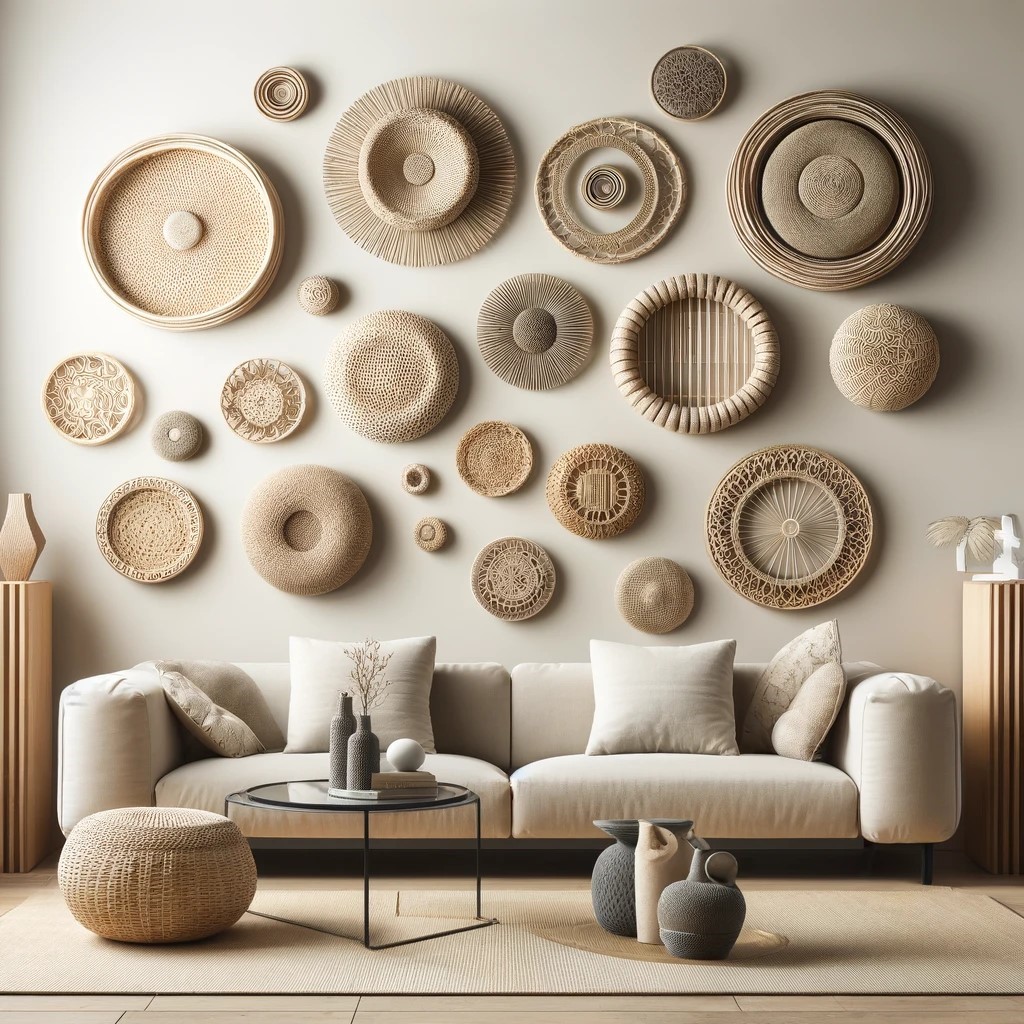
In the realm of interior design, wall art plays a pivotal role in setting the tone and mood of a space. It can serve as a conversation starter, a reflection of personal style, or simply a beautiful way to fill blank walls. While purchasing art can sometimes be costly and impersonal, creating your own DIY wall art masterpieces offers an opportunity to infuse your personality into your home. Not only is it cost-effective, but it also allows for a unique expression of creativity. In this article, we will explore various DIY wall art ideas that can transform any space into a visually stunning environment.
The Appeal of DIY Wall Art
Creating your own wall art is an incredibly rewarding endeavor. It allows you to tailor the aesthetic to your specific taste and the style of your home. DIY projects are also flexible in terms of materials and techniques, meaning you can repurpose items you already have or experiment with new mediums. Additionally, engaging in creative activities has been shown to reduce stress and enhance mental well-being, making DIY wall art not only beneficial for your home but also for your mind.
Choosing the Right Materials
The materials you choose for your DIY wall art projects should align with your artistic vision and the overall theme you wish to create. Common materials include:
- Canvas: A classic choice for paintings and mixed media art. Canvas is versatile and can be used for both acrylic and oil paints.
- Wood Panels: These provide a sturdy base for creating textured works or attaching objects.
- Paper and Cardstock: Ideal for paper crafts, collages, and origami wall decorations.
- Textiles: Fabrics can be employed for wall hangings, embroidered art, or woven pieces.
- Recycled Materials: Items such as old magazines, bottles, or wood scraps can be transformed into stunning art pieces with a bit of creativity.
Exploring Different Techniques
Whether you’re a seasoned artist or a beginner, there are numerous techniques to explore in your DIY wall art journey. Here are a few popular methods:
Abstract Painting
Abstract art allows for freedom of expression and can be achieved without formal art training. Use broad brush strokes, sponges, or even your fingers to apply paint to a canvas. The goal is to create a piece that evokes emotion through color and form, with no need for it to resemble any particular object or scene.
Collage Art
Collages are perfect for those who enjoy piecing together different elements to create a cohesive work. Gather photos, magazine clippings, fabric scraps, and other materials, and arrange them on a backing board or canvas. This technique is great for storytelling or showcasing a theme, such as a travel collage or a mood board.
String Art
String art is a unique and tactile approach to wall decor. Begin by outlining your design on a piece of wood, then hammer nails along the outline. Use colored strings or threads to connect the nails, creating intricate patterns and shapes. This technique is especially effective for geometric designs and word art.
Stencil Art
Stenciling is an accessible technique that yields precise and professional-looking results. Purchase or create a stencil, then use a brush or sponge to apply paint through the stencil onto your chosen surface. This method is ideal for creating repeating patterns or adding text to your art pieces.
Incorporating Personal Touches
One of the greatest advantages of DIY wall art is the ability to incorporate personal elements into your creations. Consider the following ideas to make your art truly personalized:
- Family Photos: Integrate cherished family photos into your designs, either as part of a collage or as focal points within a larger piece.
- Handwritten Messages: Add a meaningful quote, song lyric, or personal message to your artwork using paint, stencils, or calligraphy.
- Memorabilia: Use items such as ticket stubs, postcards, or small souvenirs collected from travels to add nostalgia and depth to your art.
Displaying Your Masterpieces
Once your DIY wall art pieces are complete, it’s important to display them in a way that enhances their beauty and impact. Here are some tips for showcasing your work:
- Gallery Wall: Create a dynamic display by arranging multiple pieces of varying sizes and styles on a single wall. This approach adds visual interest and allows for easy updates as you create new art.
- Statement Piece: Choose one large, bold piece to serve as a focal point in a room. This works well above a sofa, bed, or mantel.
- Thematic Clusters: Group similar works together, such as a series of canvases exploring a single color palette or theme. This creates a cohesive and intentional look.
- Lighting: Enhance your art with strategic lighting. Use picture lights or spotlights to highlight specific pieces and add drama to the display.
Conclusion
Transforming your space with DIY wall art masterpieces is an enriching and satisfying experience. By choosing the right materials, exploring various techniques, and incorporating personal touches, you can create art that not only beautifies your home but also reflects your unique identity. Whether you opt for a gallery wall, a statement piece, or thematic clusters, your DIY creations will undoubtedly add character and charm to any room. So gather your materials, unleash your creativity, and embark on the journey of transforming your space into an artistic sanctuary.
#ChatGPT assisted in the creation of this article.


Post Comment